Travel advisors are, by necessity, experts on the complex world of air travel. From providing savvy itinerary design and technology coaching, to sharing expert insider tips, advisors can help improve the air travel experience for their clients in myriad ways. This is especially true today, as evolving technology provides increasingly sophisticated tools for advisors and travelers alike.
Advisors who book air are well versed in the minutiae of travel planning, like knowing to list their client’s (rather than the agency’s) contact information first in the passenger name record (PNR), to ensure that the client is the first to receive critical notifications.
Crafting a stress-resistant itinerary is a priority for McLean Robbins, founder and lead designer at Lily Pond Luxury, an independent affiliate of Travel Experts, a Virtuoso agency. “When I break down a trip budget, I frame it in three parts: getting there, staying there and ‘doing there,’” she said. “Air travel sets the tone for everything, so even if a client is flying coach, their journey should feel effortless. We start with expertise: avoiding sub-two-hour international connections, choosing the right aircraft and cabin and setting up loyalty numbers, seat selections and meals well in advance. I also lean on 24/7 air desk support to monitor delays, cancellations and schedule changes — usually before my clients ever see a notification.”
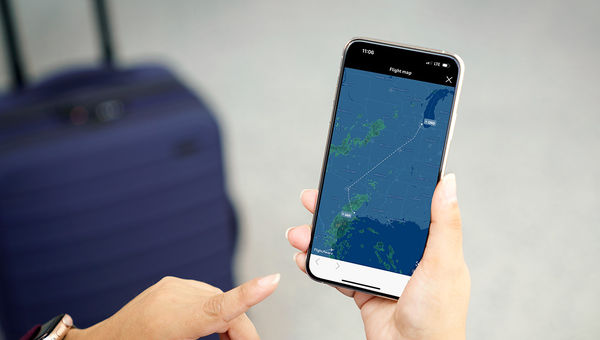
Robbins imports every booking into Travefy, so clients receive real-time flight notifications. She also uses monitoring tools like airline apps, Flighty and FAA dashboards. “The goal is simple: I want to know about issues before my clients do, so I can be proactive and contextual,” she said Michelle Grano, network manager and Envoyage advisor, echoed a similar point. “We use advanced technology like Sabre, which provides comprehensive access to airline rates, schedules, seating and fare classes,” she said. “This enables us to compare options quickly and secure the best itineraries.”
Marc Kazlauskas, CEO of Avoya Travel, ticked off a list of tactics for staying in the know about a client’s air travel experience. “Advisors rely on flight alerts, monitoring tools and direct airline communication to stay ahead of potential disruptions,” he said. “Avoya’s SNAP air platform and Air Desk are major differentiators, offering competitive fares and rapid support. CRM tools like Agent Power, Avoya’s in-house SaaS agent technology, help flag problems early.”
The ability to monitor and resolve air travel challenges is a big selling point for travel advisors, according to Mario del Duca, managing director of NUBA. “Advisors provide more than efficiency; they unlock access,” he said. “We do not wait on hold in a call center. We use our systems or [get on] the phone to the right person. That alone can turn a stressful cancellation into a seamless reroute, with champagne waiting at the lounge.”
“We take a proactive approach,” del Duca added. “The moment we are alerted to an issue, we notify the client and activate every possible channel at once: airline apps for instant seat control, our agency systems for re-routing and supplier contacts for VIP escalation.”
Educating Clients
Advisors also play a key role in empowering clients by educating them about consumer-facing technology. “Clients are strongly encouraged to download airline apps for real-time updates, mobile boarding passes and rebooking capabilities,” said Phil Cappelli, Avoya Travel’s chief sales officer. “Mobile wallets streamline the travel experience, while flight trackers provide additional peace of mind. Advisors typically walk clients through app setup prior to travel so they are comfortable using these tools while on the go.”
Among the advisors following that approach is Jeni Schrimsher of Voyages by Jeni, an independent agency in the Avoya Network. “Before departure, I schedule a call with each client to review these tools,” she said, using a specific term for this educational effort. “One portion of the call — ‘Tips for a Smooth Flight’ — covers what to do in common situations such as delays, cancellations, missed connections and lost luggage.”
Personal Experience, Professional Value
Travel advisors tend to be well-traveled individuals, and they’re often able to draw on their own personal experiences to help clients. Duncan Greenfield-Turk, CEO of Global Travel Moments, recommends packing small but helpful items like noise-canceling headphones, eye masks and secure wallets, while Fora advisor Janet Park shares strategies such as researching airport lounges through credit card membership.
Whether it’s Robbins’ advice to always book early flights, Schrimsher’s savvy packing tactics or del Duca’s preference for window seats far from restrooms, these tips offer the advantages of an experienced insider’s perspective.
For some advisors, supporting clients in their air travel needs isn’t even about issuing tickets; it’s about preparing them to make the best decisions. Paloma White, founder and CEO of Paloma White Travel, makes this distinction clear. “It’s truly an advisory role,” she explained, adding that she doesn’t usually book flights. For her, sharing her air travel insight is “just part of offering all my knowledge.”
White shares expertise about everything from how to maximize the benefits of affinity credit cards to determining whether certain classes of service are worth the price; for that, she uses the website and app SeatGuru. “That’s basically my go-to on whether a premium economy product is worth it or not,” she said. White also shares YouTube videos of airline cabins so clients know what they’re getting before booking.
For White, preparing clients is essential. “Getting them prepped is our responsibility,” she said. “A lot of it’s really just practical guidance, common sense, looking at options.”