

THE TRAVEL TRENDS THAT WILL ACTUALLY MATTER IN 2026 AND BEYOND



By Melissa DaSilva, Deputy CEO & Chief Sales Officer – TTC Tour Brands
Every January, the travel industry fills with predictions. Some are thoughtful. Many are recycled. Most are safe.
But travel is no longer in a moment where safe is sufficient. We are moving through one of the most consequential periods of change this industry has ever seen — with technology, consumer expectations, and competition all evolving at once, and at a pace most legacy businesses were never designed to handle. This is not theoretical. It is happening inside organizations right now, including my own.
Over the past year, as we’ve navigated our own transformation, I’ve learned a few lessons that I believe are worth sharing.
AI Will Raise the Bar on Expertise, Not Replace It
Anyone can Google an itinerary or ask AI to plan a destination. That is not the value a travel advisor or tour operator brings. When information is everywhere, advantage comes from focus.
No one can be a specialist in everything. Real value is created by choosing where to go deep. In our organization, that focus is guided travel — whether on the roads or the rivers. For advisors, it may be luxury travel or destination expertise.
That expertise is built through first-hand experience: being in the destination, working directly with partners, and experiencing products as guests do. Knowing what consistently delivers and what works in the real world cannot be generated by an algorithm. It has to be earned.
At my organization, we will harness the power of AI to simplify sales processes and make complex information easier to navigate. This will help our teams and partners build confidence, onboard more quickly, and pair the right client with the right trip more effectively. Our goal is not automation for its own sake, but AI that enables individuals and makes them more impactful.
Product Will Outperform Advertising Spend
Travel is a low-frequency purchase, with most guests traveling long-haul for leisure once a year, not every few weeks. That makes product decisions even more important.
While advertising can attract attention, it is the product and experience itself that drive repeat business and loyalty. You cannot replace your customer base every year and expect sustainable growth. Instead, you must evolve what you deliver or miss the opportunity to deepen the relationship with your customers.
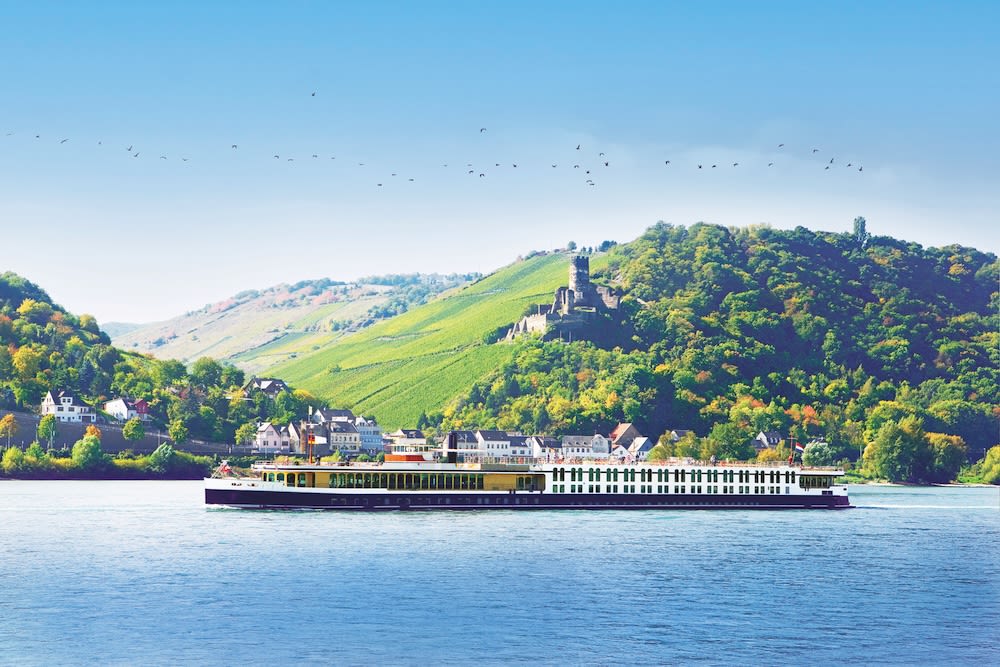
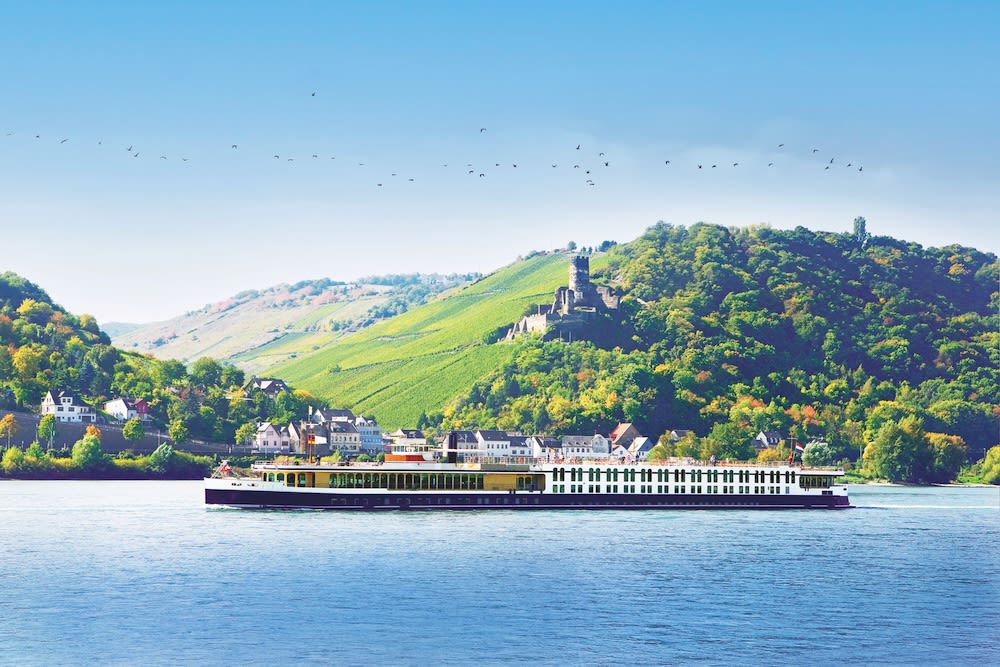
That is why bold product decisions matter. One example from our own organization is our decision to launch into river cruising. Expanding into a new category was not a small or easy move. It required investment, new capability and a long-term view of guest lifetime value. But it was rooted in a simple belief: if we want to build lasting relationships with travelers, we have to meet them across more of their travel journeys — not just one moment in time.
Product innovation is not a marketing exercise. It is a growth strategy.
Speed will Beat Perfection
The industry is shifting away from long planning cycles toward test-and-learn execution. Decision velocity is becoming a leadership metric because the cost of waiting has increased dramatically.
Waiting years to deliver the “perfect” solution is rarely worth it. By the time it launches, expectations have shifted, technology has moved on or new entrants have changed the competitive landscape.
New platforms and business models are moving quickly, launching, learning and iterating in real time. For established organizations, the challenge is not awareness of this shift — it is how they are set up to respond.
Speed is not about recklessness or tools alone. It is a product of organizational design: how decisions are made, how teams are empowered and how quickly insight turns into action. In today’s environment, agility is no longer optional. It has to be built into how the organization works.


Leadership as the Common Thread
What connects these shifts is leadership. Not slogans and vision statements, but decisions and trade-offs. Quite simply, leadership is about choosing where to focus, and just as importantly, where not to.
The next phase of travel will reward organizations that are honest about what they do best and disciplined about what they choose not to pursue. That focus is what strengthens differentiation and sustains advantage over time. The work is not always comfortable. It often involves learning in public, adjusting quickly and admitting when something did not work.
But that is where progress comes from. The companies that thrive will be the ones that combine technology with human expertise, speed with substance, and ambition with accountability.