

Focus on LGBTQ+ travel
A chill in the air for Pride

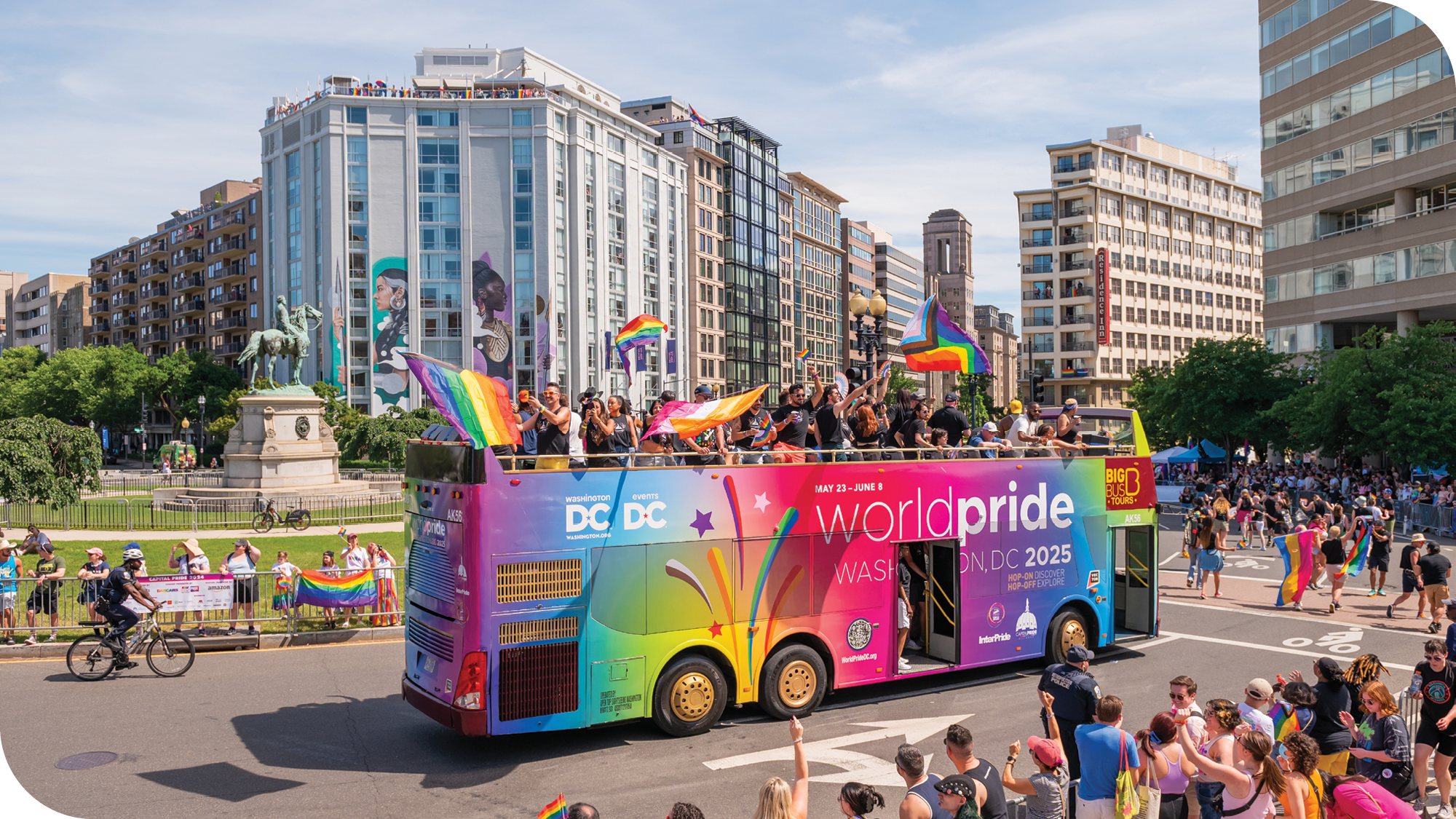
A WorldPride celebration in Washington, the host city for the 2025 event. (Courtesy of Destination DC)
A WorldPride celebration in Washington, the host city for the 2025 event. (Courtesy of Destination DC)
Numbers for WorldPride in Washington are pacing slower than anticipated. But that’s just the tip of the iceberg as international LGBTQ+ travelers rethink visiting the U.S.
When Washington was selected to host the annual WorldPride celebration in 2025 — becoming only the second American city ever to do so — expectations were high.
New York had been the first American city to host WorldPride, in 2019, when it drew 5 million people and generated hundreds of millions of dollars in local spending.
Washington projected that the three-week celebration that launched May 17 would have a $787 million economic impact and attract approximately 3 million attendees, including 2 million overnight visitors, the largest international event ever in the city.
Then came the Trump administration.
A week before its launch, Destination DC CEO Elliott Ferguson said WorldPride numbers had been pacing slower than what the city had projected, and feedback it was getting indicated it had nothing to do with the event and everything to do with the policies and rhetoric coming from the White House. It seemed that the international LGBTQ+ community and its allies worried about being able to enter and leave the U.S. safely and were hesitant to attend an event in the U.S. capital.
“It’s a matter of us separating the federal Washington, D.C., from D.C. the city and make sure that visitors understand the dynamics of the two,” he said. “The numbers still look good, but they’re not as good as we anticipated.”
Travel advisors from the U.K. to Australia saw similar reservations about attending from their LGBTQ+ clientele, for Pride events and for travel to the U.S. in general.
Mario Paez, co-founder and managing director of Planetdwellers in Sydney, which calls itself Australia’s unrivaled LGBTQ+ travel agency and tour operator, said the company has noted a decline of about 60% in inquiries for travel to the U.S. for 2025 and 2026, with sales to America down about 50% from previous years.
“We had clients booked to attend [WorldPride] that have since rebooked to go to Canada instead,” Paez said in mid-May, citing concerns such as WorldPride being canceled or having issues with U.S. Customs.
Trouble for LGBTQ-friendly destinations?
For many U.S. destinations, the impact of losing a sizable portion of the LGBTQ travel market could have serious implications: Reports & Insights, a U.K.-based market research firm, reported that the global LGBTQ+ tourism market was valued at $320.4 billion in 2024, of which a significant share has traditionally gone to the U.S. Among the reasons: its “progressive policies, strong legal protections and thriving LGBTQ communities.”
If that is seen as eroding, even destinations that have long been seen as LGBTQ-friendly could suffer. Dean Nelson, a travel advisor and LGBTQ+ tourism consultant with Personal Travel Management in Vancouver, said that some of his clients are even canceling or rescheduling cruises to avoid departing from U.S. ports.
“If it starts and ends in Miami, they are asking to lift and shift to another sailing,” he said. “We’re shifting a lot of that business that was supposed to go to the Caribbean and Florida to Europe.”
Duncan Greenfield-Turk, chief travel designer with U.K.-based Global Travel Moments, a Global Travel Collection affiliate, said that for trans travelers, the risks are too high.
“They’re nervous. The U.S. is not considered a safe place for transgender people,” Greenfield-Turk said. He added that, as a travel advisor he also has trouble selling a destination where there is legal ambiguity and concerns about trans travelers running into trouble at the border. “My No. 1 concern currently is that we cannot give legal guidance to trans travelers. We have no law firm, no one from government, who is willing to give assurances.”
But Jaike Rowe, sales and product manager at Out of Office, a Brighton, England-based travel agency with a focus on LGBTQ+ travel, is among those who say that while some clients are choosing to avoid the U.S. altogether, others are focusing on cities and regions with strong reputations for inclusivity.
“It is less about rejecting the country entirely and more about planning trips that we know through firsthand experience are safe, vibrant and affirming destinations,” he said, listing New York, Chicago, Los Angeles, San Francisco, Miami, Fort Lauderdale and Seattle as cities atop that list. “Even in more conservative states, pockets of inclusivity — such as Austin, Texas — remain in demand for their ongoing welcoming nature.”
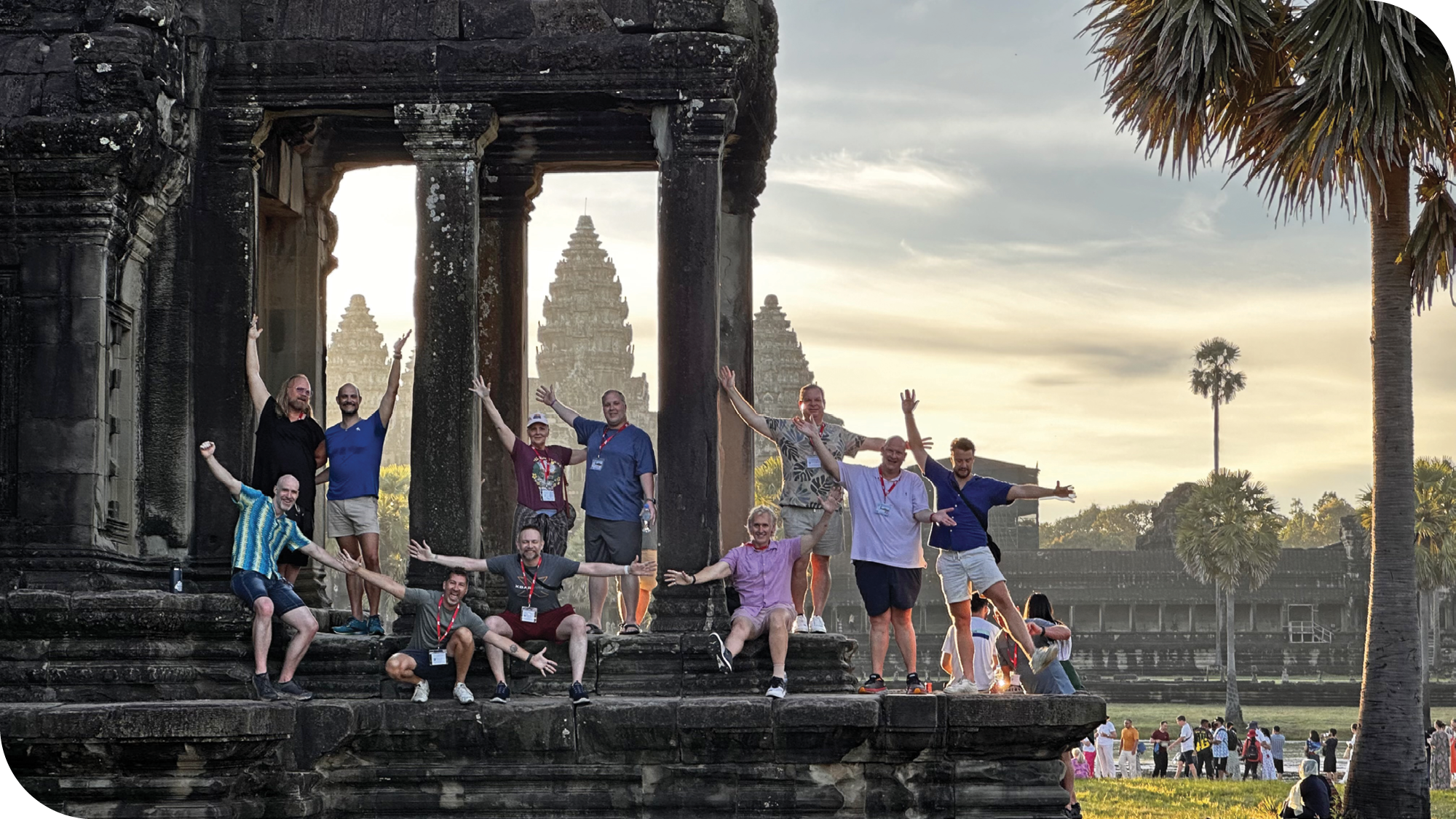
An Angkor Wat tour group with Out of Office, a Brighton, England-based travel agency with a focus on LGBTQ+ travel. (Courtesy of Out of Office)
An Angkor Wat tour group with Out of Office, a Brighton, England-based travel agency with a focus on LGBTQ+ travel. (Courtesy of Out of Office)
That distinction is particularly important to Greater Fort Lauderdale, where 3 million annual LGBTQ+ visitors spend more than $1.3 billion and make up about 13% of all visitors.
Stacy Ritter, CEO of Visit Lauderdale, said the destination is working hard to remind people of the “blue dots” like Fort Lauderdale in red states like Florida.
“We do everything that we can to let the traveling public know that we are that welcoming and inclusive destination,” she said. “We still use the word diversity — we don’t think it’s a bad word. But we don’t have the money or the resources to have a large enough bully pulpit to drown out the noise that’s coming from the administration.”
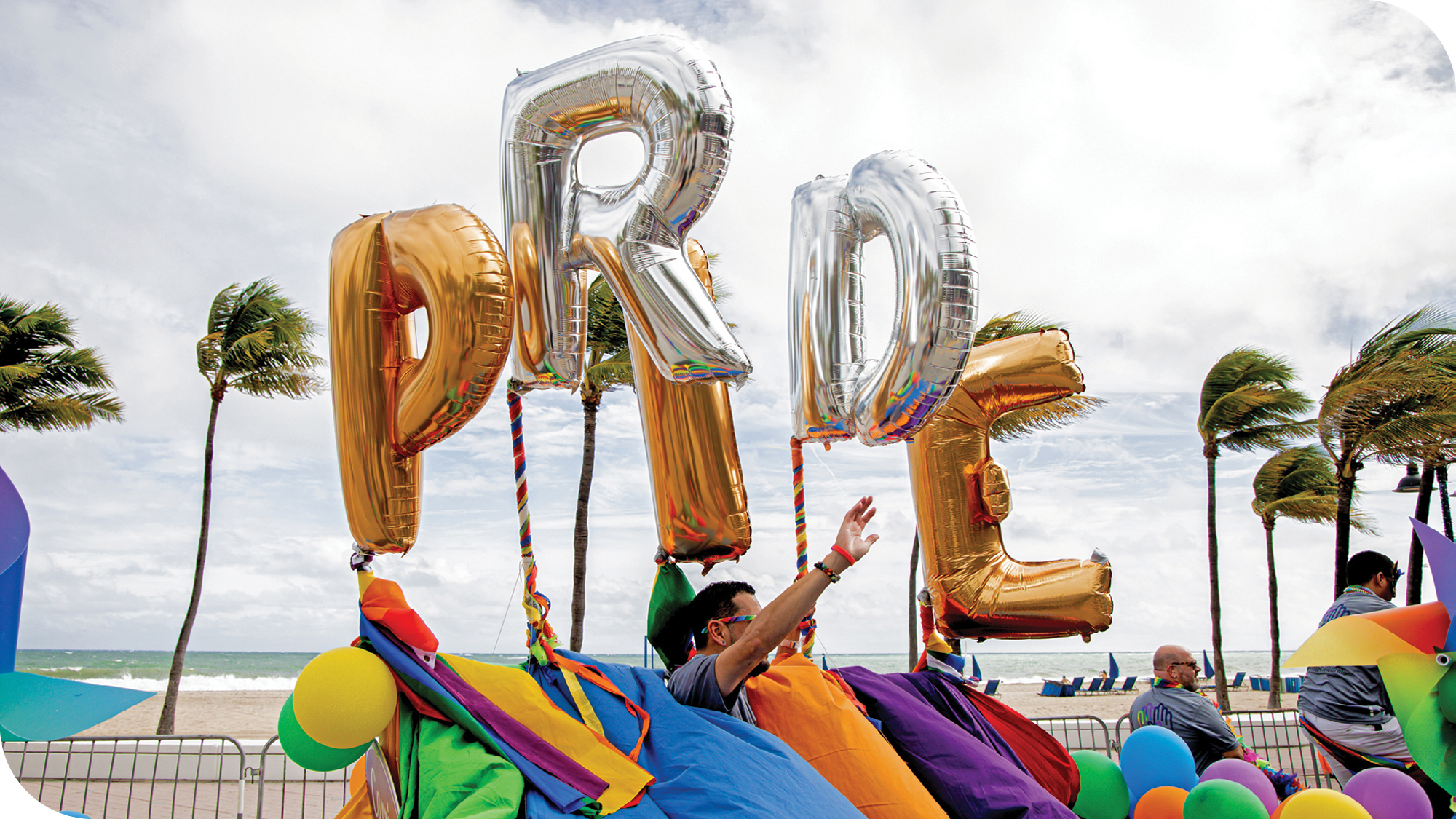
A float at a Fort Lauderdale Pride event. (Courtesy of Visit Lauderdale)
A float at a Fort Lauderdale Pride event. (Courtesy of Visit Lauderdale)
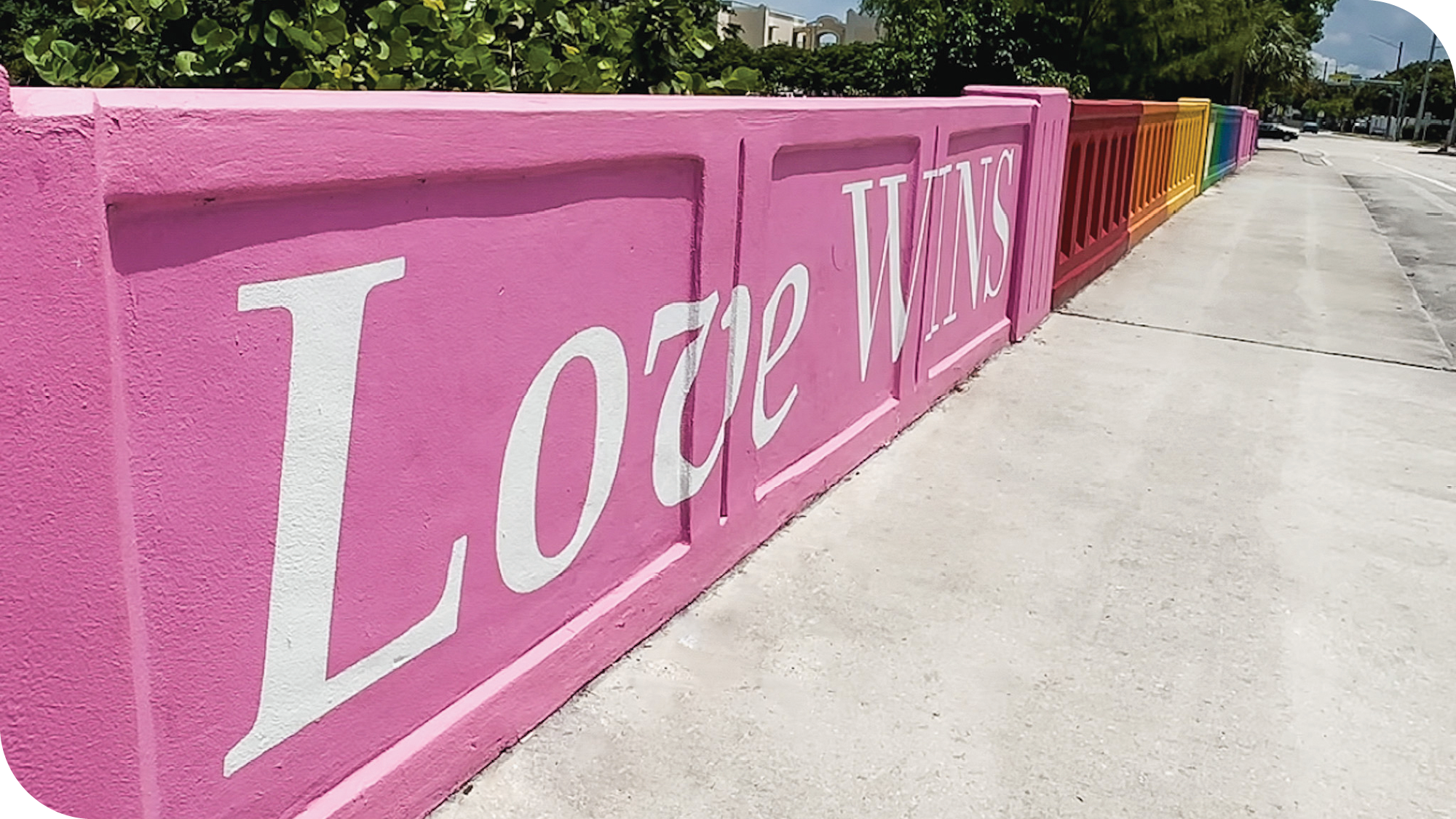
The Love Wins bridge in Wilton Manors, Fort Lauderdale.( Courtesy of Visit Lauderdale)
The Love Wins bridge in Wilton Manors, Fort Lauderdale.( Courtesy of Visit Lauderdale)
In its outreach to Canadian and European travel agents and tour operators, Ritter said Florida and the U.S. overall can be a “hard sell” right now. The state’s marketing arm, Visit Florida, removed its LGBTQ+ travel information section; the state’s anti-trans legislation and “Don’t Say Gay” law made national headlines. Greenfield-Turk said some clients have “significant concerns” over states with anti-LGBTQ legislation and would rather avoid them “for their own safety.”
“It’s going to be difficult for some of them to try to pitch the U.S. to their clients without being on the receiving end of wrath, and we respect that,” Ritter said. “But we’re going to continue to do what we’ve always done, which is make sure that everyone knows that we aren’t what the rhetoric is. We’re just not that.”
Ritter also tries to remind travelers that “just as California has red dots, Florida has blue dots, and we are a deep-blue one. Florida is a state of 20 million people, and we’re not a monolith. We are made up of all kinds of people from all over the world.”
Visit San Antonio has similarly tried to separate itself from the policies and rhetoric on LGBTQ+ issues coming from both the White House and its home state.
“Pictures speak a thousand words, and I think when we show people that San Antonio is inclusive with the images of our community, I think people instantly understand that San Antonio, although it is the birthplace of Texas, stands apart from a lot of those other things that happen across the state,” said David Gonzalez, vice president of media relations and communications for Visit San Antonio.
“The LGBTQ community is not just an important tourism market but an important part of our local community. That’s one of the main reasons why we’ve been doing this outreach for many years now. San Antonio now hosts the largest Pride Parade on a river in the U.S.”
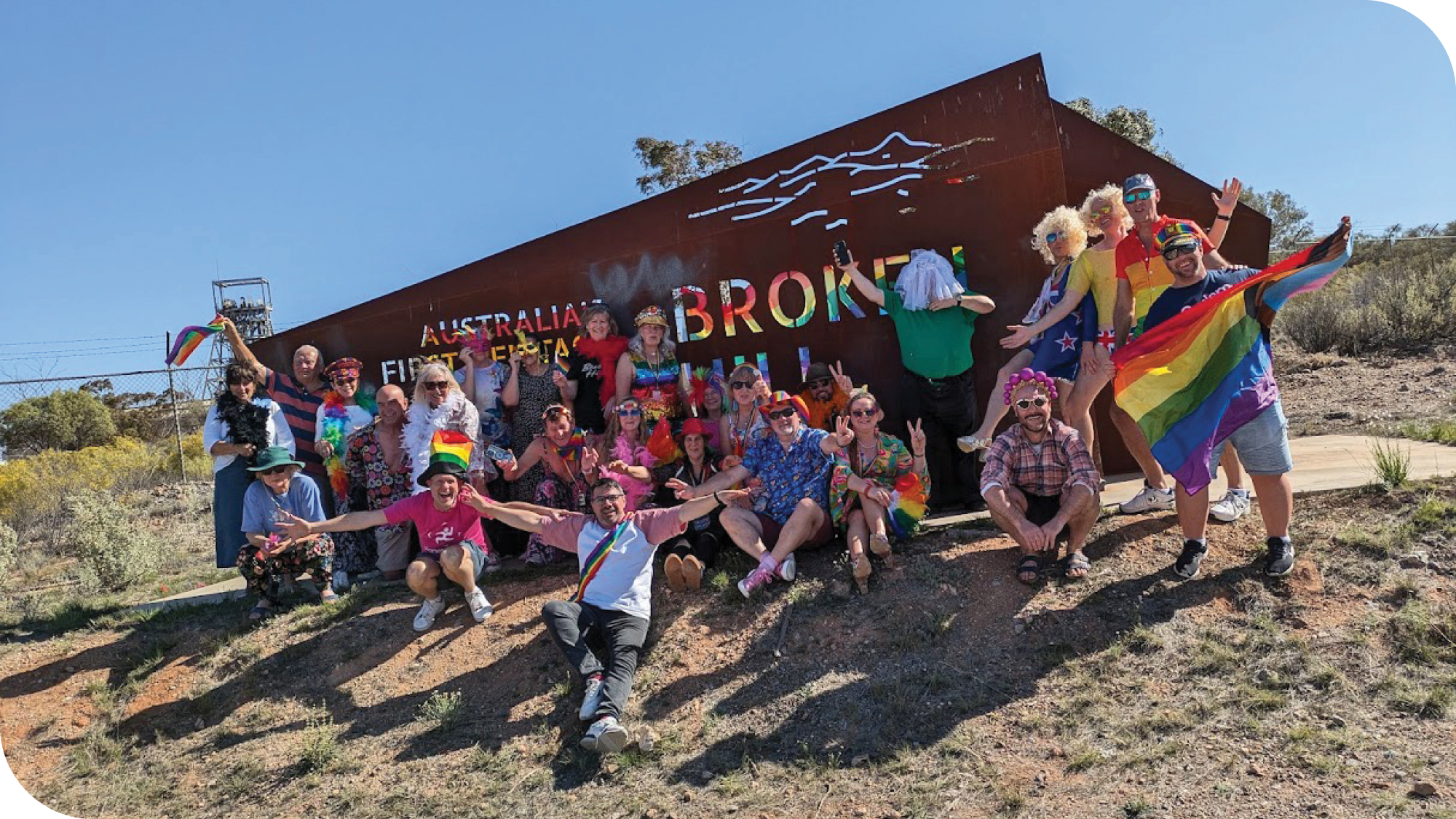
Planetdwellers’ Broken Heel Festival bus tour in Australia in 2024. (Courtesy of Planetdwellers)
Planetdwellers’ Broken Heel Festival bus tour in Australia in 2024. (Courtesy of Planetdwellers)
Vancouver's Nelson heard similar feedback from clients about WorldPride — including from his U.S.-based clients.
“A lot of people are worried that it’s not going to be the WorldPride that everybody thought it would be during the Biden years leading up to it,” he said, citing factors like several WorldPride events being canceled at the Kennedy Center and the number of corporate sponsors that dropped out due to the Trump administration’s executive order to end diversity, equity and inclusion (DEI) programs in both public and private settings.

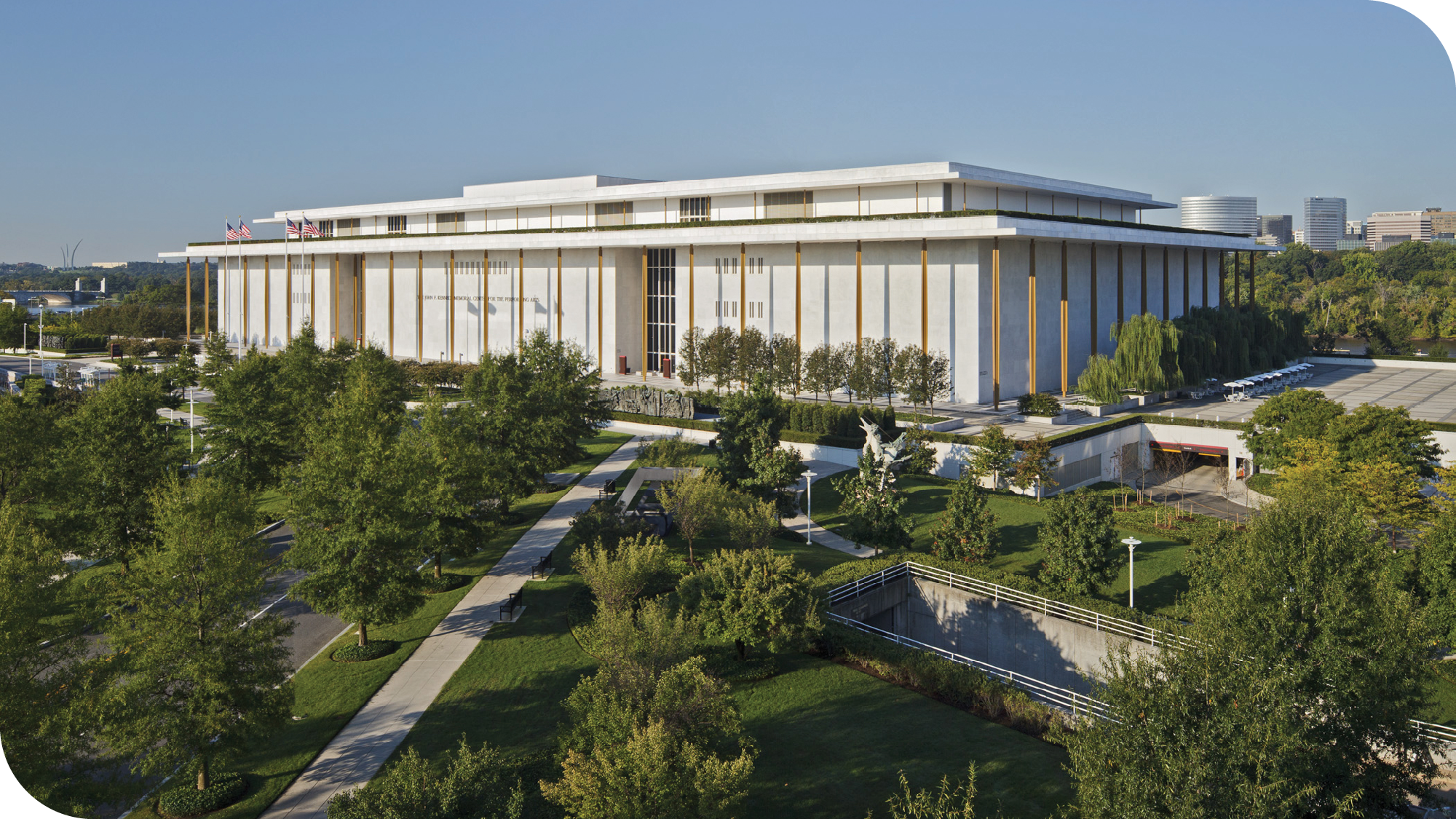
The Kennedy Center for the Performing Arts in Washington was scheduled to host several World Pride 2025 events that have been moved to other venues. (Photo by Ron Blunt)
The Kennedy Center for the Performing Arts in Washington was scheduled to host several World Pride 2025 events that have been moved to other venues. (Photo by Ron Blunt)
Nelson said that, instead, his Canadian and American clients made plans to celebrate Pride at events in Canada, Europe, Australia and New Zealand.
And, he added, it’s not just WorldPride. Nelson estimated that about 90% of his Canadian clients don’t want to go the U.S. at all this year.
“It’s Gay Days at Disney, it’s going down to Palm Springs for their Pride celebrations or to Louisiana for Halloween or to Chicago for International Mr. Leather,” he said. “All those things are off the table. One, because of the rhetoric but also the safety concerns of being in large areas where somebody may try and do something terrible.”
Paez has gotten similar hesitancy about the U.S. overall, with his Australian clients who regularly do trips to Europe and the U.S. — trips that usually end in West Hollywood or Palm Springs, Calif., or in Hawaii — booking only Europe this year.
“For now, I think it may be a wait-and-see on a range of issues for many within our community to consider traveling to the USA,” he said.
Some of their concerns are the same ones that have led to major downturns from Canada and Western Europe this year: stories of travelers being detained at U.S. borders for seemingly minor visa issues, tariff threats and rhetoric from the White House about making Canada and Greenland states. But for the LGBTQ+ community, the concerns are deeper and have to do with safety and legal protections.
In the first two weeks of Trump’s second term, several executive orders rolled back protections for members of the LGBTQ+ community, particularly targeting trans people who, for instance, indicate a different gender than the one assigned at birth on their passports. Others included anti-DEI measures and ones that weakened laws against discrimination on the basis of gender or sexual orientation. Beyond that, nine states have bills under consideration that challenge marriage equality.
“We are hearing some hesitation, mainly from clients concerned about anti-LGBTQ+ legislation in certain states or broader political tensions,” said Out of Office’s Rowe. “Safety and feeling welcome remain top priorities for us when curating trips for our clients.”
Community Marketing & Insights (CMI), which has fielded the LGBTQ Tourism & Hospitality Survey for the past 25 years, found that those attributes are the most important ones for LGBTQ+ travelers.
In its most recent survey, from 2024, CMI said that while a destination does not need to have “LGBTQ-specific” attractions, it does need to have a reputation for being welcoming to LGBTQ+ visitors. Among respondents, 83% said it is important that a destination be LGBTQ-welcoming, and more than 90% said that anti-LGBTQ laws or policies impact their travel decisions.
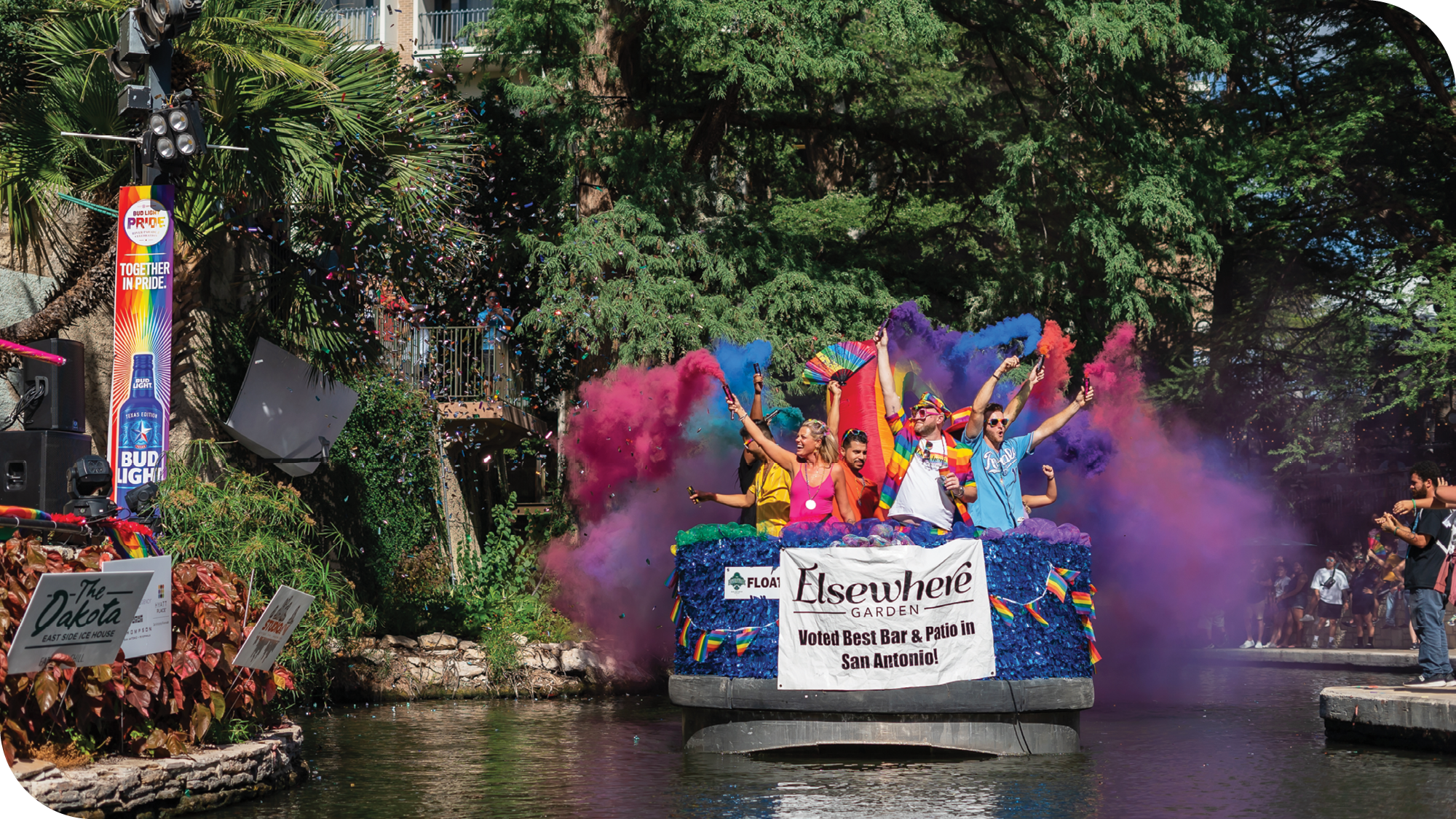
San Antonio’s Pride Parade along the city’s River Walk. (Courtesy of Visit San Antonio)
San Antonio’s Pride Parade along the city’s River Walk. (Courtesy of Visit San Antonio)
Showing up for Pride
Like Greenfield-Turk, Rowe said that there are regions in the U.S. where Out of Office might recommend exercising caution “as is standard when traveling anywhere in the world.” But he also thinks there is value in showing up for LGBTQ+ events in the U.S. right now.
“It’s in uncertain times like these that we feel the importance of attending Prides is heightened, as a show of strength and solidarity within the community,” Rowe said.
Destination DC’s Ferguson similarly hopes that people who may be concerned about the direction of anti-LGBTQ policies coming from the administration would attend WorldPride because of that.
“Now more than ever, since this is WorldPride, we need advocacy,” he said. “And there’s no better place to focus on advocacy than Washington, D.C., to support all the letters of the LGBTQ+ community and make sure their rights are spoken of at the federal level. That’s a huge reason why people come to Washington: to exercise their First Amendment right. And now more than ever, the global community should come to support the LGBTQ+ community in the U.S.”