




If you’re in the Galapagos ...


At Ecuador's Pikaia Lodge, chef Cristian Puente turns the Galapagos' strict import restrictions into culinary creativity.
It was day three of a five-night Galapagos stay at Pikaia Lodge on Santa Cruz island, and I should have been experiencing serious menu fatigue.
After all, I’d been dining at the all-inclusive lodge’s sole restaurant, Evolution by Pikaia, every evening since checking in. But as I settled in at my table for a third consecutive night, I didn’t feel any sense of deja vu.
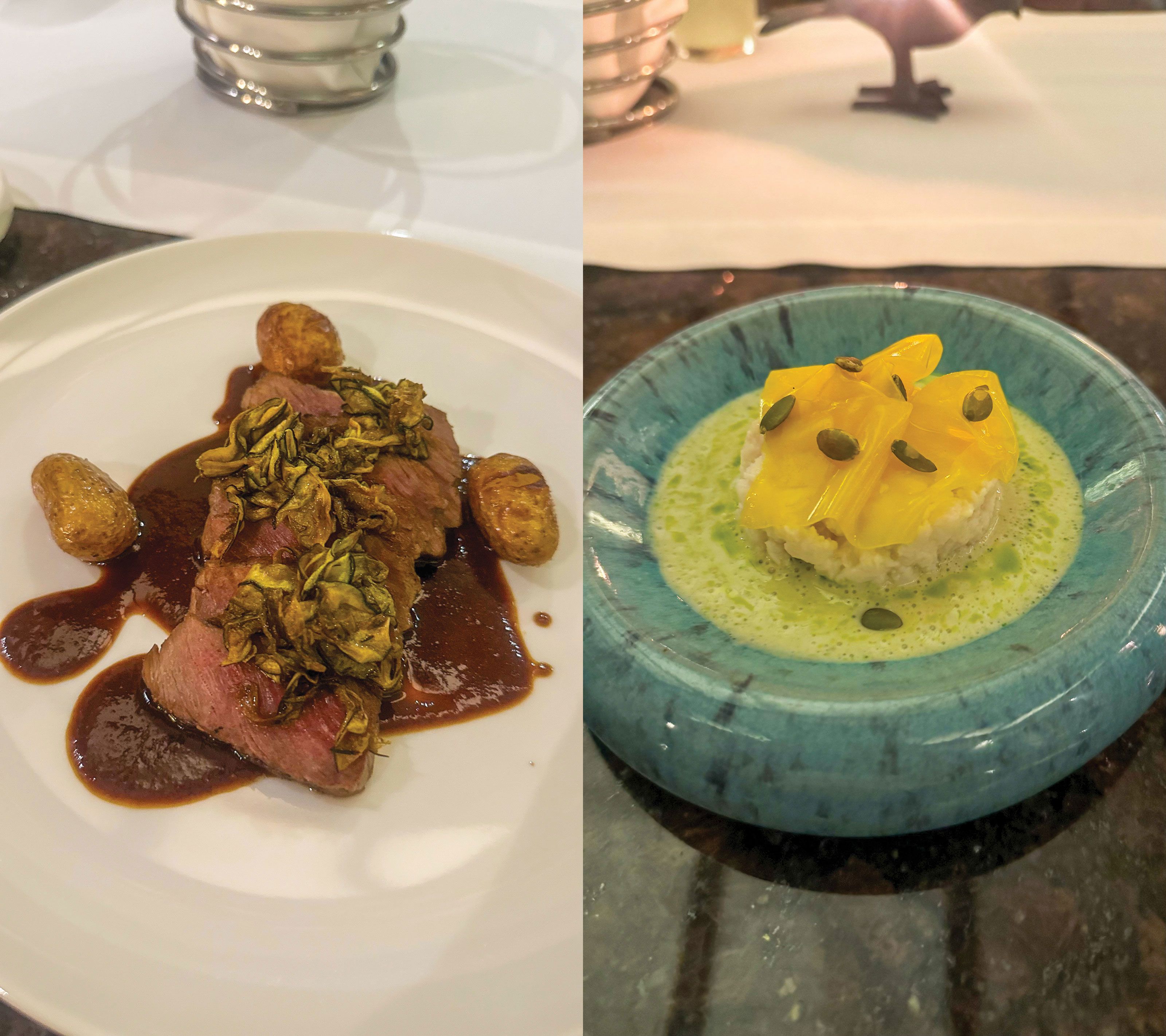
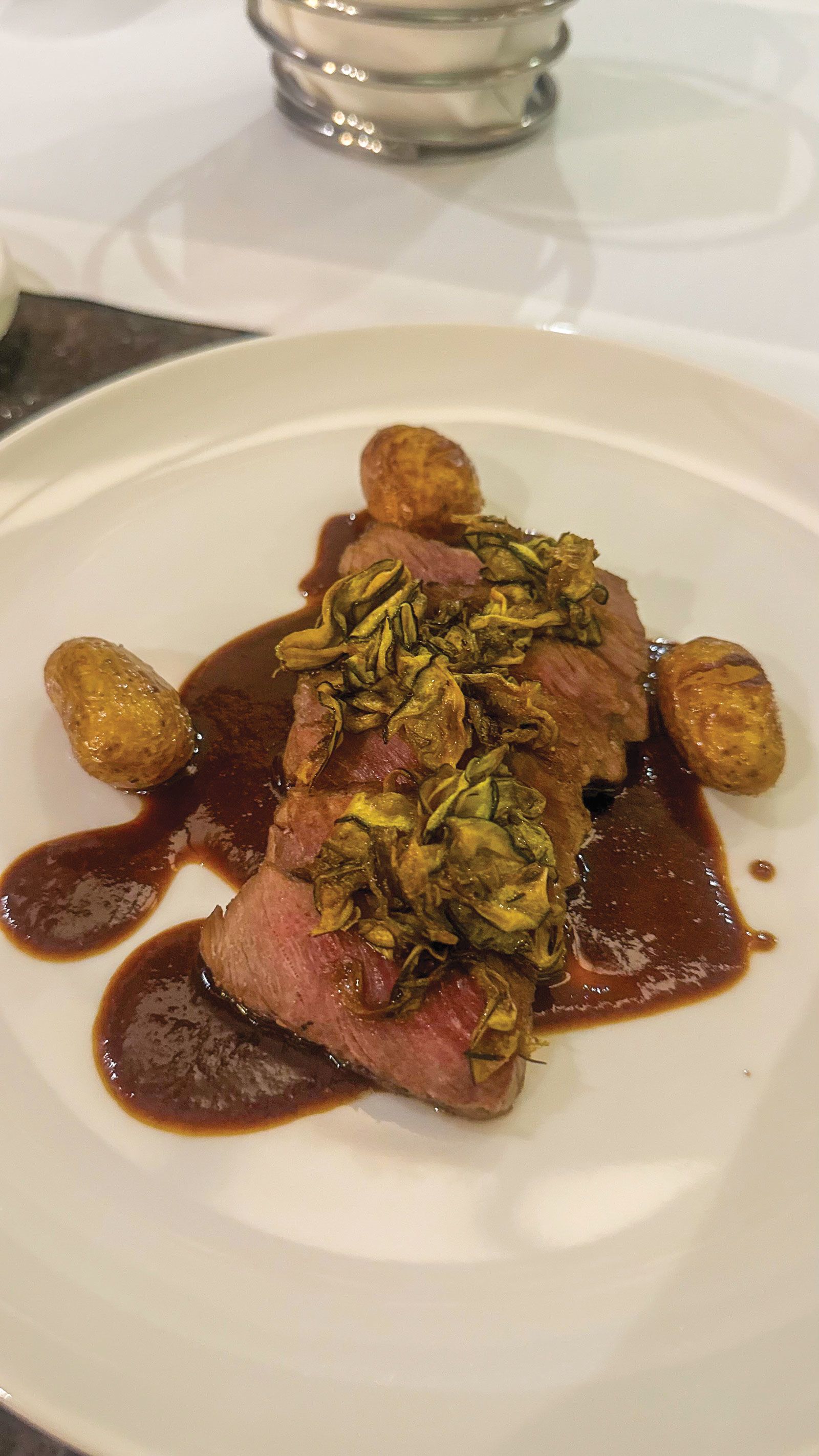
The day before, I had opted for an octopus carpaccio appetizer and an asado negro entree, featuring beef tenderloin.
Today’s menu, however, was completely different. Options included appetizers like a tangy Andean ceviche and quinoa croquettes stuffed with chicken; entrees included pan-seared tuna and a whitefish fillet with a pomodoro-style sauce.
Given the new and sometimes unexpected flavor combinations each evening seemed to bring, showcasing the seemingly boundless creativity of Pikaia Lodge’s executive chef, Cristian Puente, I assumed this was a chef operating with very few constraints.
I couldn’t have been more wrong.
As I would later learn from Puente, his kitchen is forced to operate under some of the most restrictive import regulations in the world.
“It’s definitely one of the biggest challenges of cooking in the Galapagos,” Puente said. “Import regulations are essential to preserve the delicate ecosystem, but it means we don’t always have access to everything a chef might typically rely on.”

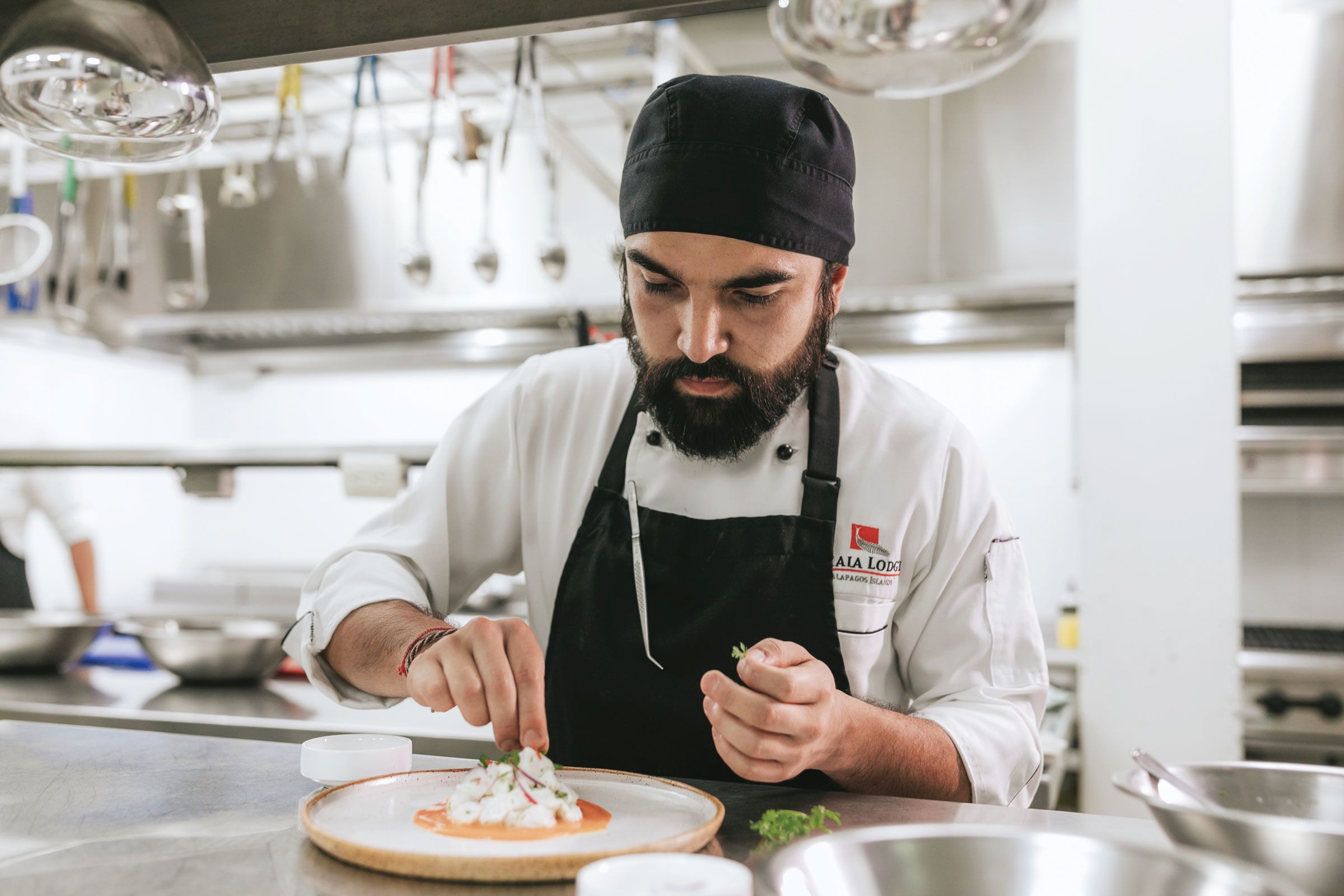



Fresh dairy, certain meats and many fruits and vegetables can’t be brought from mainland Ecuador to the islands, making it necessary to either source alternatives locally or do without entirely. But rather than viewing these limitations as obstacles, Puente sees them as a catalyst.
“These constraints actually sharpen our creativity, encouraging us to think differently,” he said. “We’re not trying to replicate dishes from elsewhere — we’re creating cuisine that is unique to Galapagos.”
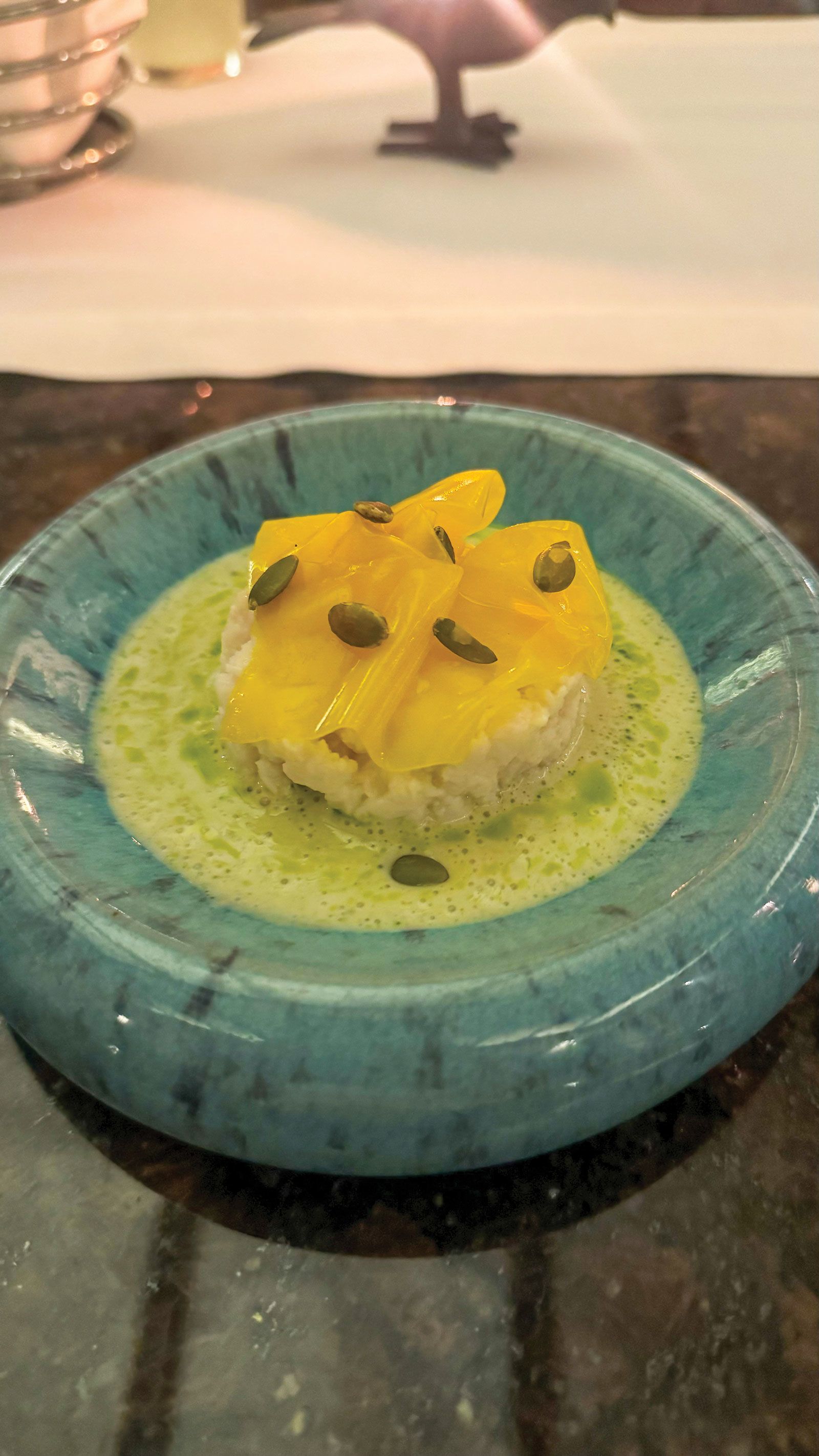
That quinoa croquette on my menu is a perfect example, accompanied by a sauce made with pepa de zambo, or seeds from a local pumpkin-like gourd. And the Andean ceviche showcased another locally sourced adaptation, incorporating both pickled pumpkin and pumpkin seeds.
Likewise, during guava season, Puente said, he and his team collect as much of the fruit as possible and transform it into multiple applications throughout the menu. “We use it for our ice cream, one of our signature cocktails and even to make guava vinegar,” he said.
Another local ingredient that Puente favors is canchalagua, a mollusk found only in the Galapagos and other Pacific coast regions.
“It’s not widely known outside the islands, but among local chefs it’s revered for its distinctive texture and flavor,” he said. “Guests often [say it’s] something they’ve never tasted before.”
And while Ecuador is world famous for its coffee, in the Galapagos even coffee has its constraints. Puente said coffee bean production on the islands is highly limited due to “rigorous national park regulations and scarce arable land,” but he still chooses to use local coffee, incorporating it into both savory and sweet preparations.
“Its scarcity means we use it thoughtfully and creatively,” he added.
Beef dishes reflect the same philosophy.
Because Galapagos cattle aren’t vaccinated and are raised without antibiotics, raw beef can’t legally be brought in. As a result, all beef served at Pikaia Lodge is organic and locally raised, resulting in beef that Puente describes as having a “distinctive flavor profile,” one that differs from what most guests expect.
I had a flashback to the asado negro from the night before. The dish’s tender meat and rich, slightly sweet sauce, paired with potato and zucchini, had elevated it well beyond any regular beef tenderloin. Here in the Galapagos, it seems constraint is truly the mother of invention.